
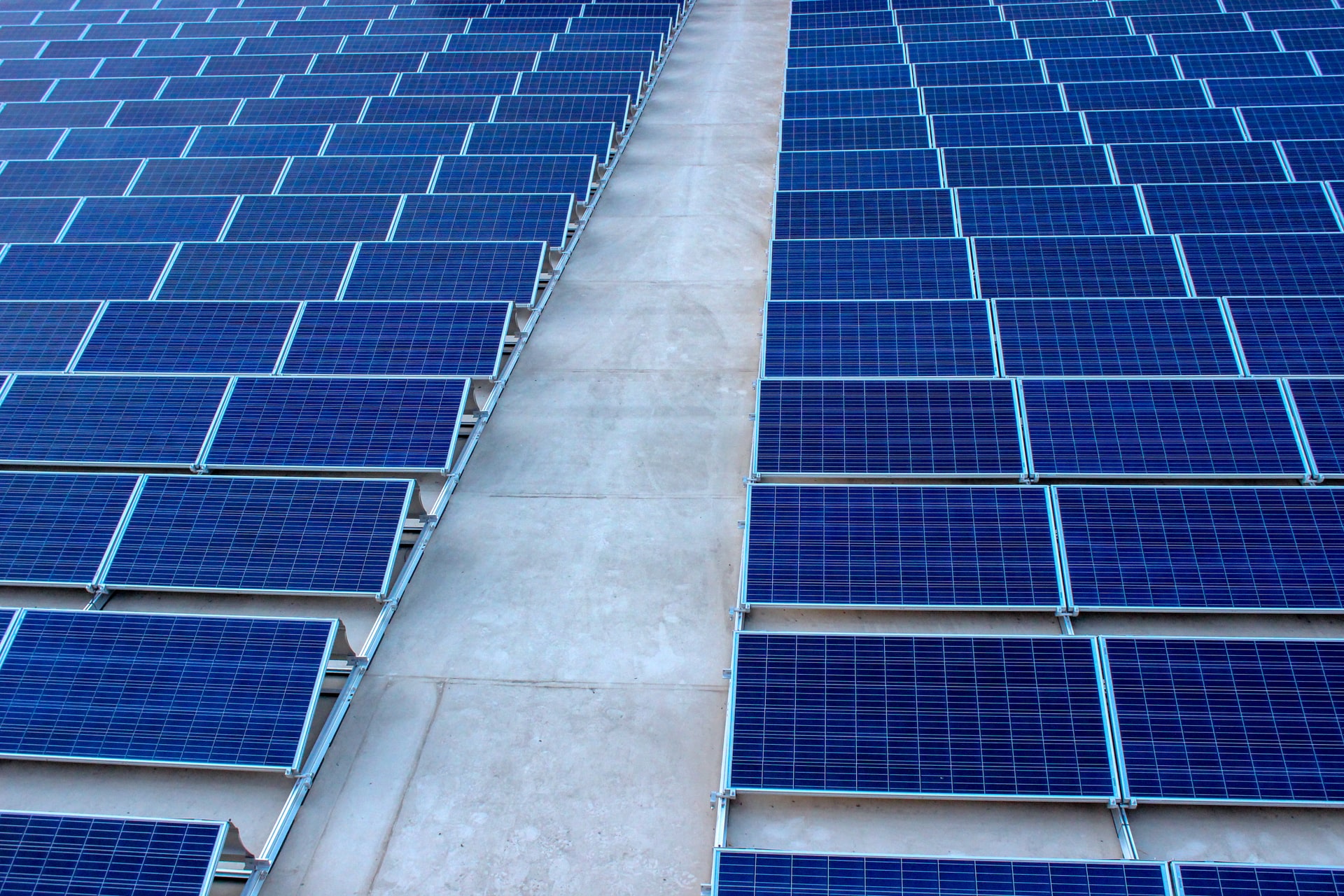
Recurring power outages, soaring fuel prices, and costly production shutdowns: in the Democratic Republic of the Congo, energy instability weighs heavily on competitiveness. Beyond the electricity bill itself, what is the real impact on your company’s profitability? Photovoltaic solar power is now emerging as a major strategic lever for securing your operations and drastically reducing your operating costs.
Adopting solar power isn’t just about installing panels it’s about rethinking your company’s energy architecture. Too many executives focus solely on purchasing fuel for their generators, without factoring in premature equipment wear and tear, recurring maintenance costs, and financial losses resulting from operational downtime. Solar energy provides a comprehensive solution to these three fundamental challenges: financial, operational, and environmental.
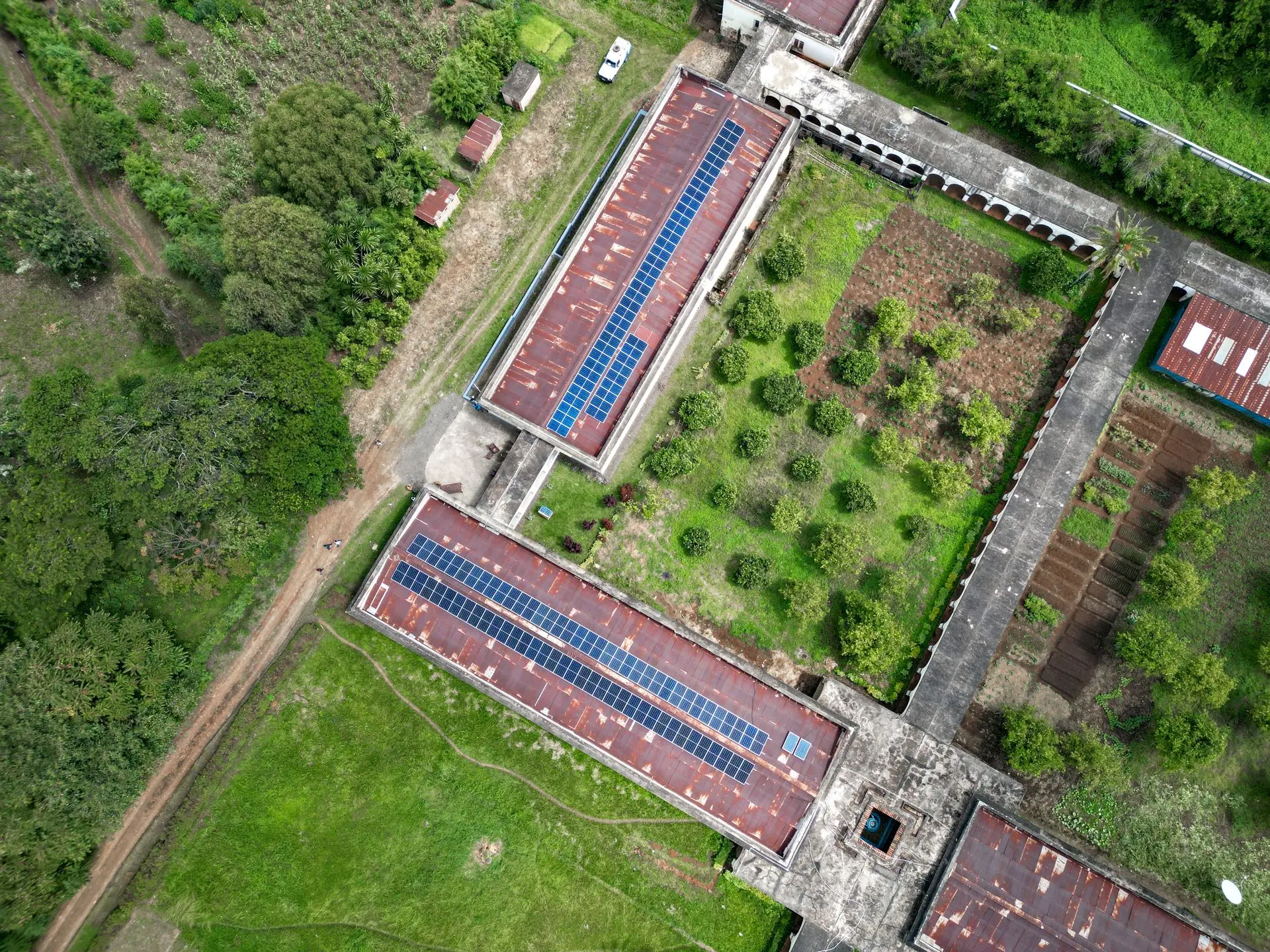
Solar Power: An Expense or an Investment? Opportunities
One of the main concerns companies have is that solar power is expensive. Is it worth it?
While installing a photovoltaic system requires an initial investment, it is a profitable and long-lasting asset. Designed to generate and store clean energy for more than 25 years, a solar system transforms an unpredictable operating expense into a controlled fixed cost that pays for itself quickly.
A Threefold Concrete Impact for Businesses in the DRC
Economic Impact
Drastic reduction in fuel costs (diesel/gasoline), lower generator maintenance costs, and protection against energy price inflation.
Operational Impact
Guaranteed continuous power supply (24/7), elimination of micro-outages that damage industrial machinery, and uninterrupted productivity.
Environmental Impact
A significant reduction in your carbon footprint and CO2 emissions, a reduction in noise pollution from generators, and enhancement of your eco-friendly brand image.
So, when does solar power actually become cost-effective?
There is no universal standard for return on investment. Its financial trajectory depends on variables specific to each site:
- The company’s actual consumption profile and operating mode;
- Current energy costs and reliance on a generator;
- System characteristics (installed power and storage capacity).
Consequently, economic projections cannot be generalized and require a customized analysis of each company’s specific situation. Profitability must be calculated based on your own circumstances.
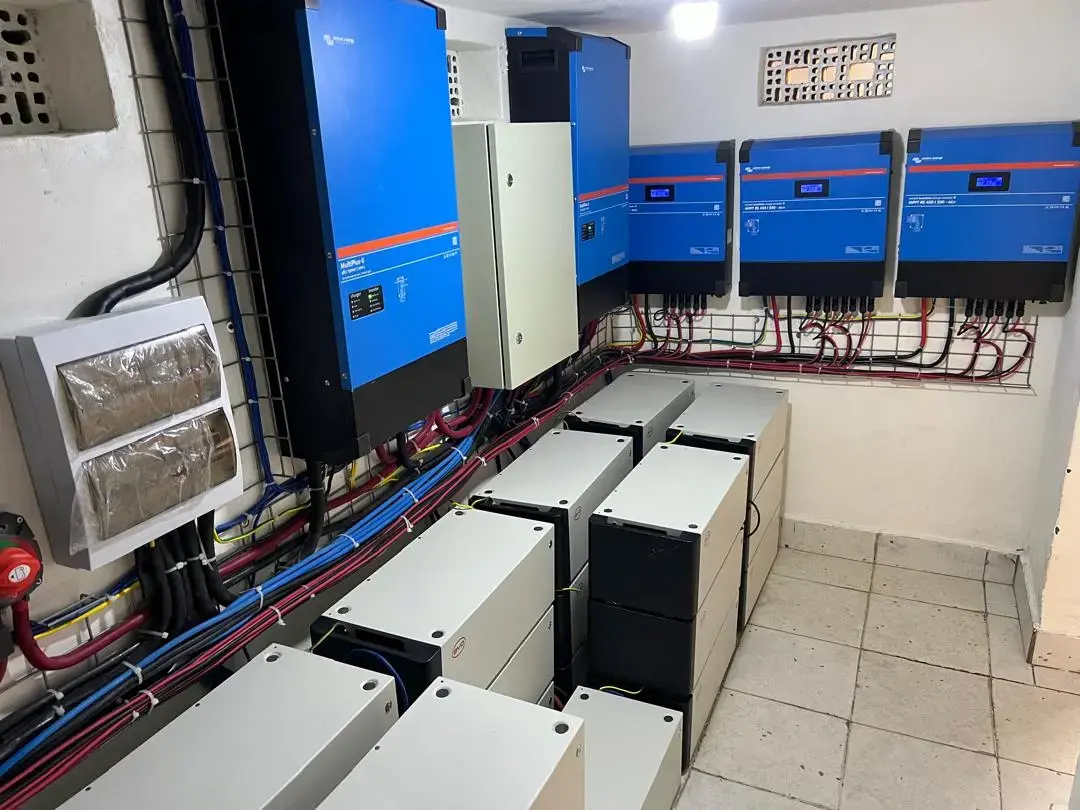
This year, we helped Cormoran Lodge, a business in the restaurant industry, reduce its energy bill by 98% in 3 months thanks to a custom hybrid setup of 15 kVA/64.4 kWp/140 kWh combined with a Fronius Eco 27.
http://www.goshop.cd/our-projects/cormoran-lodge-la-revolution-energetique-pour-98-d-autonomie-41
Why is this approach strategic in the DRC?
In the Democratic Republic of the Congo, transitioning to a hybrid energy system or 100% solar power is a highly strategic decision. As highlighted in World Bank analyses, access to a stable energy supply is the primary driver of growth for the private sector. Solar energy enables local businesses to break free from their dependence on fossil fuels, stabilize their cash flow, and ensure seamless service continuity despite the challenges of the national grid.
Would you like to assess your energy-saving potential? Our GoShop Energy engineers will conduct a free assessment of your needs to help you transform your energy expenses into a sustainable investment.
Contact us 👉🏼https://www.goshop.cd/contact-us
GoShop Energy, Your Energy Provider
Is Solar Energy Really a Cost-Effective Solution for Businesses in the DRC?