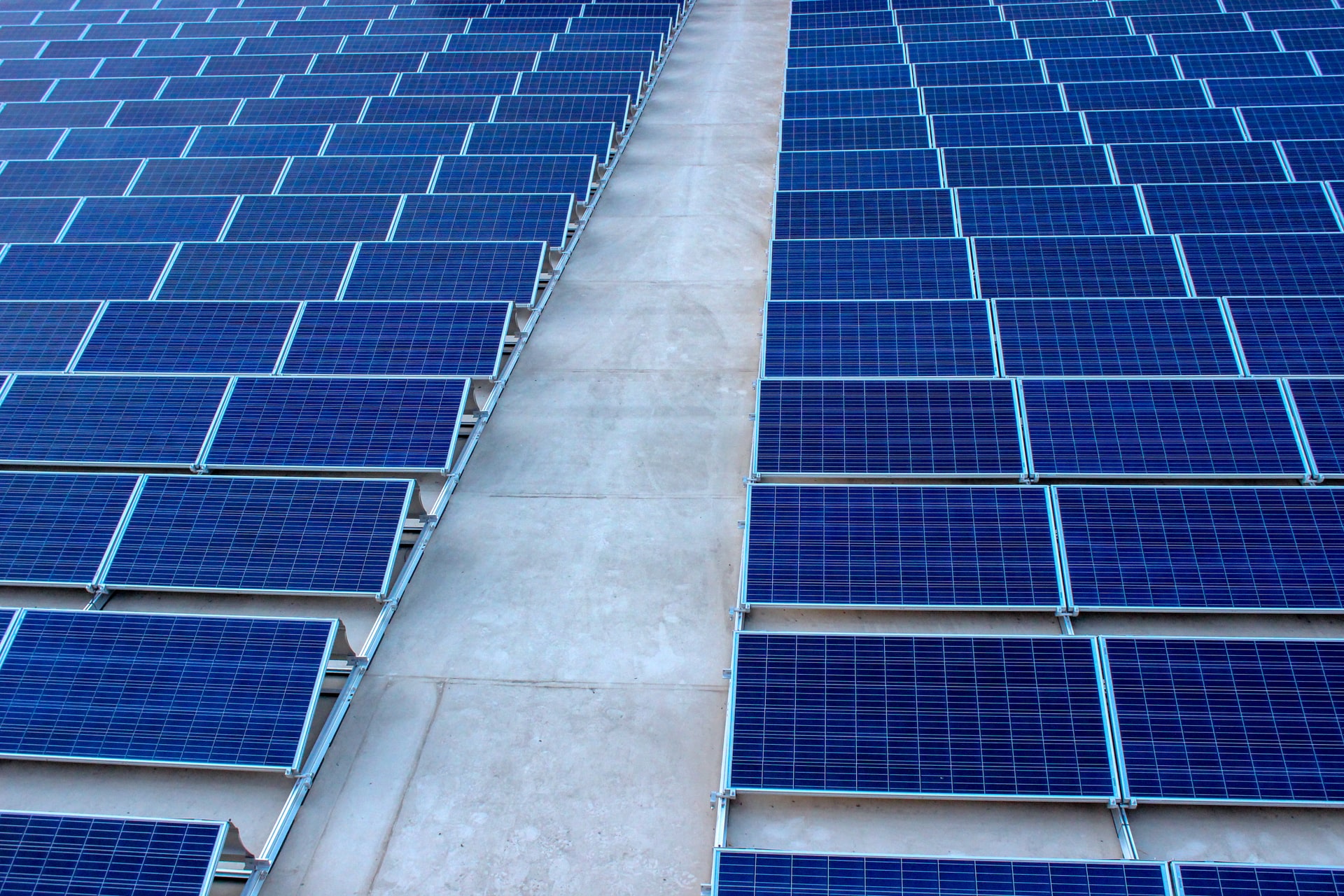
In Kinshasa, as in several provinces of the DRC, electricity is an irregular luxury. However, in the health sector, this instability comes at a price: lives. Every power outage or load shedding could compromise the entire cold chain needed to preserve vaccines for women and children. And for UNICEF and the Expanded Program on Immunization (EPI), without reliable electricity, there are no safe vaccines, which exposes more women and children.
According to the 2023 report of the United Nations Inter-agency Group for Child Mortality Estimation (UN-IGME), significant progress has been made in reducing under-five mortality since 2000. However, nearly 5 million children continue to die each year, mainly from preventable causes, with a marked concentration in sub-Saharan Africa and South Asia, highlighting the urgent need to strengthen access to quality health care for mothers and children. Where we should be protecting, we risk losing.
👉🏼https://www.alignmnh.org/fr/resource/levels-and-trends-in-child-mortality-un-igme-report-2023/ . The emergency is invisible, but it is there, every day.
Aware of the risks associated with power cuts, UNICEF and EPI made a strategic choice: to guarantee the energy independence of their vaccine storage warehouses.
In collaboration with the technical expertise of GoShop Energy, a state-of-the-art solar system has been deployed, consisting of three mini photovoltaic networks, specially designed to ensure a reliable and continuous power supply, thus protecting the cold chain essential for vaccine storage:
Mini network 1
- 2 Fronius ECO27 solar inverters,
- 6 Quatro converters of 15 KVA, giving an inverter power of 90 KVA ,
- 72 kWp of peak power distributed across solar panels (180 PV of 400w),
- 36 BYD 5 kWh batteries, giving a total battery storage capacity of 180 kWh, enabling operation even when there is no sun,
Mini network 2
- 76 kWp peak power distributed across solar panels (324 PV panels of 235 W)
- 2 Fronius ECO27 solar inverters,
- 6 Quatro converters of 15 kVA, giving an inverter power of 90 kVA,
- a storage capacity of 180 kWh (12 BYD batteries of 15kwh),
Mini network 3
- 6 Quatro converters of 15 KVA, giving an inverter power of 90 KVA ,
- a storage capacity of 180 kWh (36 BYD batteries of 5kwh),
- 76kWp peak power distributed across solar panels (324 PV panels of 235W),
- 2 Fronius ECO27 solar inverters,
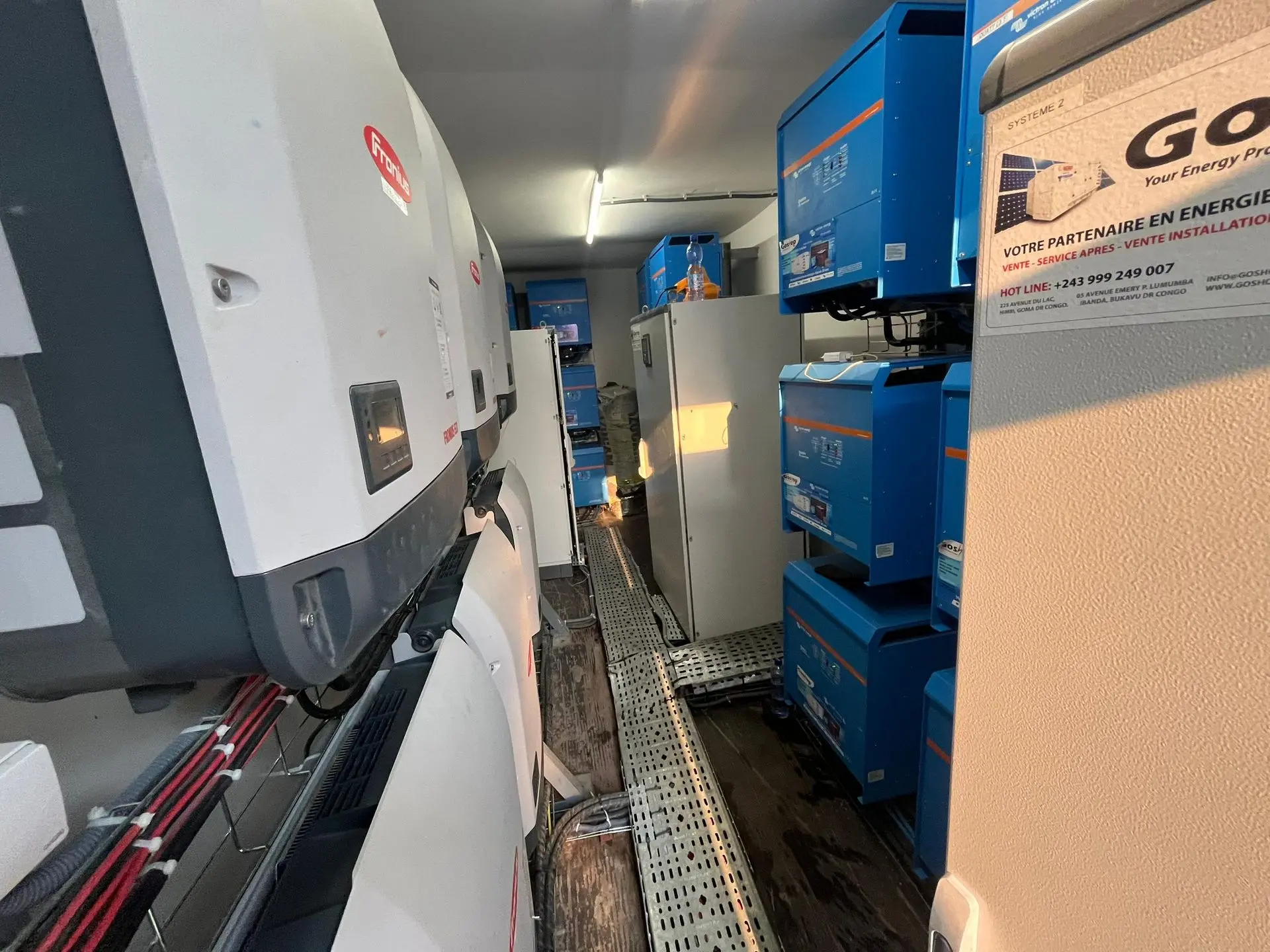
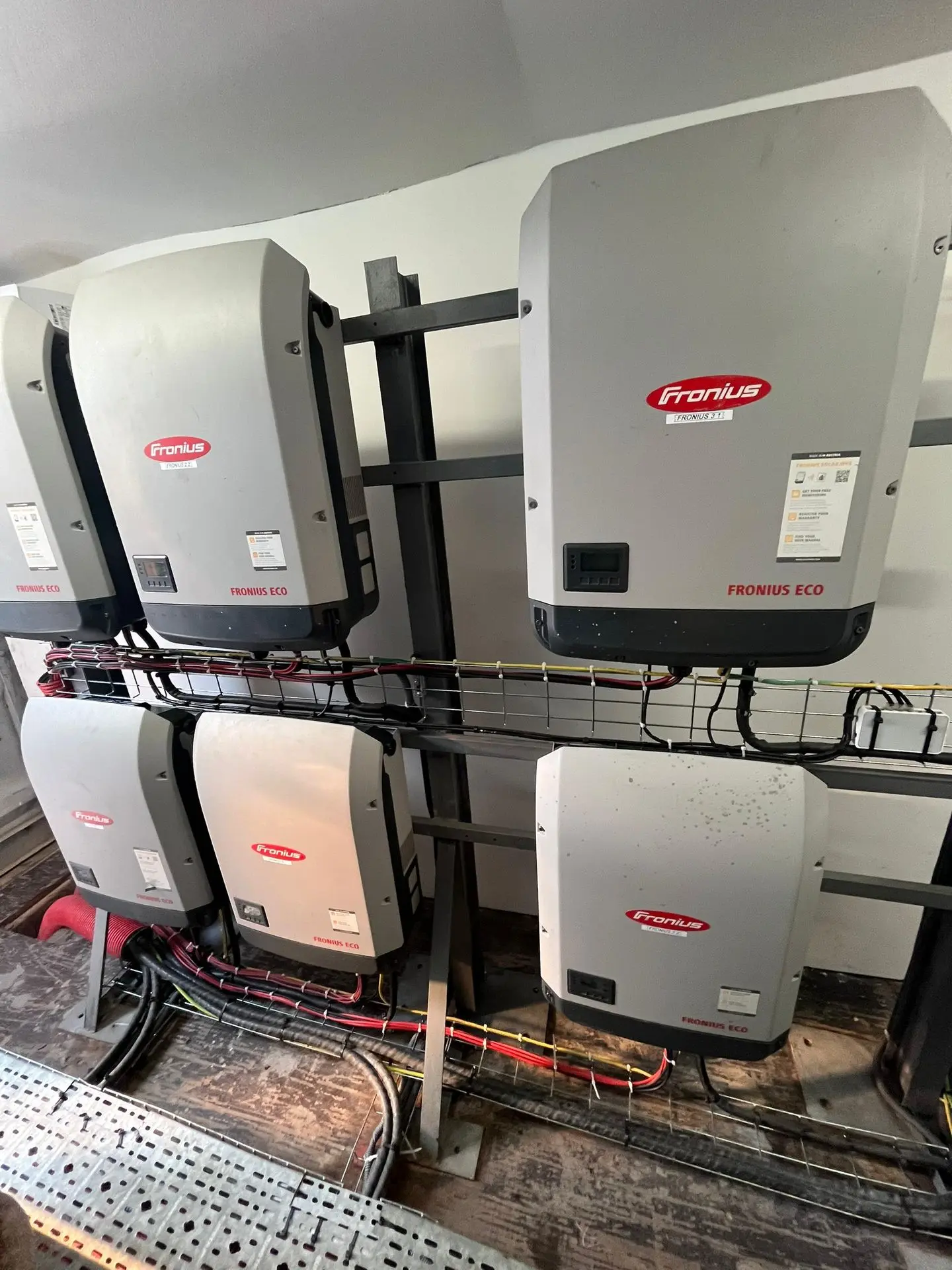
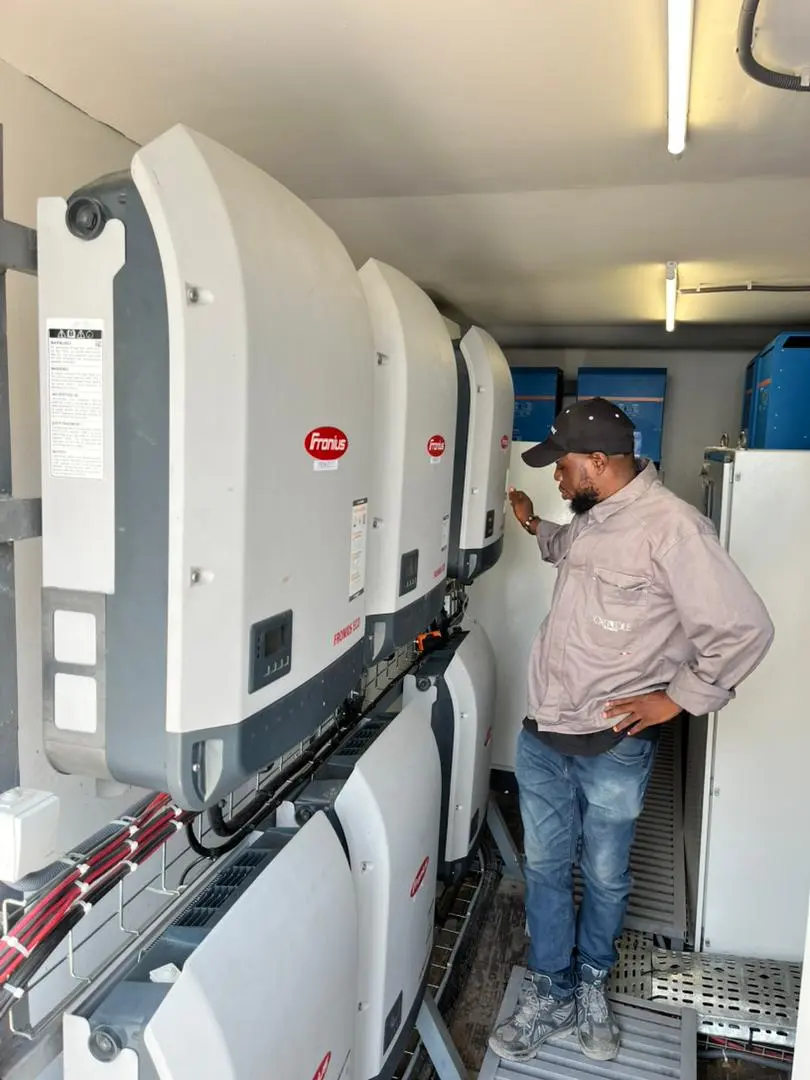
Energy is available continuously, day and night, for the warehouse, which operates with total energy autonomy to maintain the cold chain and protect vaccines, delivering them where each dose can save a life.
According to Lelo Dimalila, electrical engineer at STS, With the facilities we currently have for this supply chain, the system is working well without any interruptions. They were put in place in advance to minimize risks.
This project is a model of measurable impact for public health:
- Vital Safety Ensured: Thousands of vaccine doses are now safely stored, protected from any network failure,
- Zero Loss (Goal): The risk of vaccine loss due to outages is eliminated, transforming past uncertainty into operational certainty and saving lives,
- Significant Environmental Impact: The switch to solar power results in a significant reduction in CO2 emissions, reinforcing the project's environmental commitment,
What about you? Are your important missions protected from power outages?
With GoShop Energy, ensure the continuity of what really matters.
Contact us 👉🏼 https://www.goshop.cd/fr/contactus
GoShop Energy, Your Energy Provider
Kinshasa: Installation of mini solar networks to optimize the vaccine cold chain at the UNICEF and pv site